

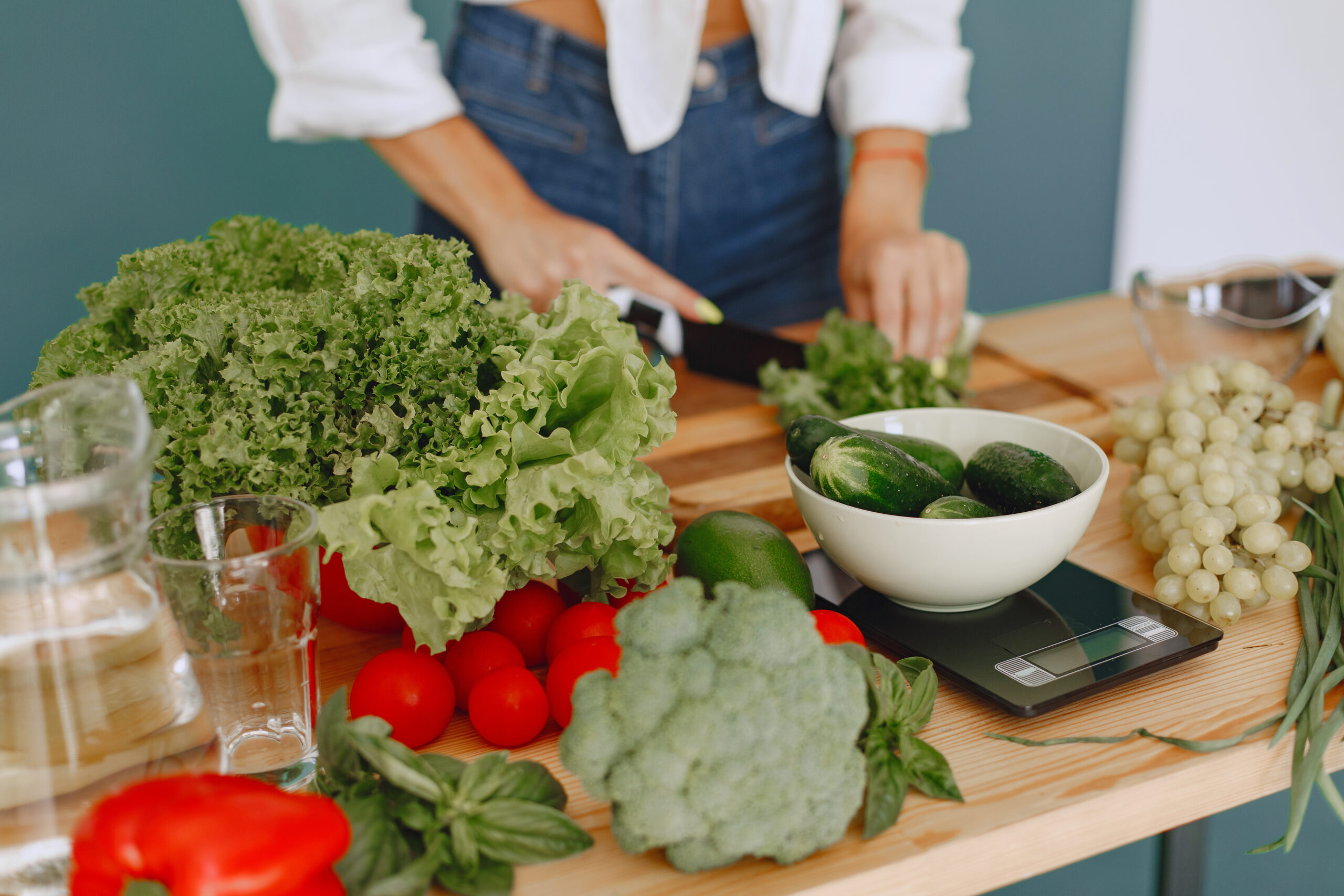
Farm to table is a food sourcing philosophy that prioritizes direct relationships between restaurants and local producers. Ingredients travel from the farm, the fishery, or the dairy to your plate with as little time and distance in between as possible.
The term describes both a sourcing practice and a dining culture. Restaurants that commit to it build menus around what local farmers and producers are growing seasonally rather than what a national food distributor has in stock year-round.
How Farm to Table Sourcing Works
A farm to table restaurant typically works with a network of regional farms, ranches, and fisheries. Chefs visit suppliers, understand growing practices, and build relationships that allow them to access ingredients that rarely appear in conventional supply chains.
This means menus change frequently. A dish that appears in spring may not be available by summer because the ingredient is no longer in season. This is not a limitation for farm to table kitchens. It is the point.
What Goes on the Plate
Produce arrives fresher because it has not traveled cross-country. Proteins are often sourced from farms using pasture-based or heritage practices that produce better flavor. Dairy, eggs, and specialty items like honey or charcuterie often come from small regional producers who prioritize quality over volume.
Restaurant Management Tips for Farm to Table Operations
Running a farm to table kitchen requires a different approach to restaurant management. Menu planning happens week to week rather than quarterly. Purchasing relationships replace standing orders. Your kitchen team needs flexibility and skill because the ingredient driving this week’s specials may be entirely different next week.
Operators who manage this well build communication systems between the front of house and the kitchen so that servers can speak accurately and enthusiastically about where ingredients come from. That transparency is a major part of what guests are paying for.
Why Farm to Table Dining Matters
The appeal of farm to table dining extends beyond flavor. Guests increasingly want to know where their food comes from, how animals are raised, and how their dining choices affect local food systems.
Restaurants that can answer those questions clearly earn trust. That trust converts into loyalty, repeat visits, and word-of-mouth referrals that no marketing budget can replicate.
From an environmental standpoint, shorter supply chains reduce transportation emissions and support agricultural diversity at the regional level. Small farms that supply restaurants often grow varieties of produce that mass agriculture ignores, which creates more interesting plates and supports biodiversity at the same time.
Farm to Table and the Tasting Menu Connection
The farm to table philosophy aligns naturally with the tasting menu format. When a kitchen commits to sourcing what is best and freshest right now, a tasting menu allows that commitment to be expressed fully. Every course becomes a statement about what the land is producing at this moment.
Many fine dining establishments combine both concepts, building their entire menu around daily deliveries from trusted farms. Understanding what is a tasting menu and how it interacts with seasonal sourcing gives you a clearer picture of how these restaurants operate and why the experience feels different from conventional dining.
Wine Pairing with Farm to Table Menus
A thoughtful wine pairing program deepens the farm to table experience by extending the same regional focus to the glass. Many farm to table restaurants prioritize wines from small producers who farm sustainably or biodynamically, creating a philosophical alignment between what is on the plate and what is in your glass.
A wine pairing guide built around a seasonal farm to table menu changes constantly alongside the food. Your sommelier or server should be able to explain not just what they poured but why it fits the specific dish in front of you and what it shares with the sourcing values of the kitchen.
The History of Fine Dining and Farm to Table
The farm to table movement in the modern sense grew in the United States in the 1970s, driven in part by Alice Waters and Chez Panisse in Berkeley, California. The idea was straightforward: cook what is best, buy it from people you know, and let the ingredient lead.
This stood in direct contrast to the standardized, processed-ingredient culture that dominated American restaurant kitchens at the time. Over the following decades, that philosophy spread globally and became one of the defining forces in the history of fine dining as it exists today.
Farm to table is not a trend that arrived and passed. It is now a baseline expectation at the upper tier of restaurant dining and an aspiration across the industry at every price point.